Up next in 10


Between 2300 and 2000 BCE, trade and conquest connected West Asia, Iran, and South Asia, driven by demand for metals, gems, and horses. Sargon of Akkad (2350 BCE) formed the first empire, trading with Iran and the Indus Valley. Climate change led to Akkad’s fall (2170 BCE), followed by the rise of Ur III (2100–2000 BCE), which later fell to the Elamites.
Steppe cultures, skilled in chariot warfare, influenced West Asia. The Sintashta culture (2000–1700 BCE) advanced metalworking and chariot use, affecting Mesopotamia and Iran.
Sintashta, located east of the Ural Mountains in the northern steppes, was a fortified circular settlement dating to 2100–1800 BC. Measuring 140 meters in diameter, it featured timber-reinforced earthen walls with gate towers and a defensive V-shaped ditch. Although part of the site was eroded by the Sintashta River, archaeological findings revealed 31 houses (likely 60 originally) and extensive evidence of copper and bronze production, highlighting its status as an early industrial hub. The fortifications at Sintashta, unprecedented in the steppes, reflect a significant societal shift, possibly to protect valuable resources or against emerging threats.
Outside the settlement, five burial complexes yielded remarkable artifacts, including the earliest known spoked-wheel chariots. These graves also contained horses, weapons, and copper and bronze tools, emphasizing a culture centered on warfare and technology rather than ornamental items. The burial rituals resemble those described in the Rig Veda, suggesting links to early Indo-European traditions.
Dating efforts at Sintashta revealed overlapping timelines, with earlier layers linked to the Poltavka culture (2800–2600 BC). However, the primary settlement phase aligns with related sites like Arkaim, clarifying its chronological placement. These connections highlight Sintashta's role as a cultural and technological focal point in the steppe.
The origins of the Sintashta culture can be traced to interactions in the Tripolye region (2800–2600 BC) between the Dniester and Dnieper rivers. Here, populations from the Corded Ware, Globular Amphorae, and Yamnaya cultures converged, leading to cultural exchanges and migrations. The Middle Dnieper and Fatyanovo cultures, direct precursors to Sintashta, integrated influences from these groups. The Fatyanovo people expanded metallurgical practices and herding traditions into the Upper Volga region, while the Abashevo culture, blending Corded Ware and steppe traditions, introduced fortified settlements and advanced metalwork near the Ural Mountains.
Genetic studies link the Sintashta people to the Corded Ware culture, indicating significant migrations and cultural fusion. The population was diverse, with a mix of Yamnaya, Central European, and older Siberian ancestries. They played a pivotal role in the domestication and dispersal of horses, including the DOM2 lineage, which became the ancestor of modern domesticated horses. Their innovations in horse breeding, chariot design, and metallurgy revolutionized transportation, warfare, and trade.
Starting around 2500 BC, a cooler, arid climate significantly impacted the steppe, prompting the transition from mobile pastoralism to fortified settlements. Marshes, providing vital winter resources, became strategic locations for these communities. However, resource scarcity increased competition, leading to the construction of heavily fortified towns like Sintashta.
Frequent conflict drove innovations in warfare, including the light, horse-drawn chariot, which became a game-changer. Sintashta communities also emphasized elaborate burial ceremonies, with chariots and horses often sacrificed to display wealth and power. These rituals and technological advancements marked a shift toward more complex societal structures, emphasizing warfare and political alliances.
Sintashta settlements were industrial hubs, processing vast quantities of copper ore into arsenical bronze tools and weapons. Trade with Central Asia, particularly with urban centers like the Bactria-Margiana Archaeological Complex, introduced new goods and practices, further shaping Sintashta society. These exchanges influenced their warfare, rituals, and metallurgical expertise, connecting them to broader networks of the Bronze Age world.
The Sintashta culture's contributions, including the invention of the chariot, advancements in metallurgy, and complex societal organization, have made it a focal point for studying early steppe civilizations. Their practices influenced subsequent Indo-European groups, linking them to ancient texts like the Rig Veda and Avesta and underscoring their role in shaping Bronze Age history.
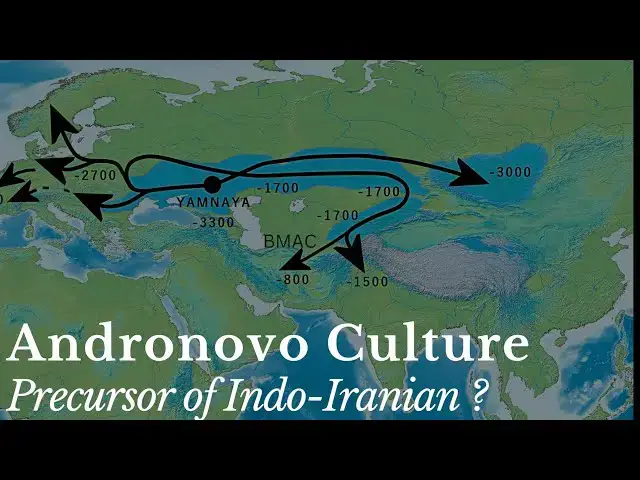
The Oxus civilization (Bactria-Margiana) thrived (2100–1800 BCE), trading with Mesopotamia, Elam, and Harappa. Steppe influences appeared in pottery and metal bits, linking Central Asia to Indo-Iranian migrations before its decline (1700–1500 BCE).
Show More Show Less View Video Transcript
0:00
between 2,300 and 2,000 B.CE trade and conquest linked distant regions into a
0:06
connected world cities in West Asia Iran and South Asia demanded metals gems wood
0:13
leather animals and slaves driving interreional trade powerful regional
0:18
centers formed alliances and extended their influence while tribal cultures on the fringes were eventually drawn in by
0:26
1500 B.C.E Step warriors skilled in chariot warfare established the Matani
0:31
dynasty in northern Syria showing the growing impact of step cultures on West Asian politics in 2350 B.CEE Sargon of
0:40
Akad united Mesopotamia and northern Syria into the first empire lasting
0:46
about 170 years akad traded with Western and Central Iran occasionally using
0:52
military force horses then rare in Mesopotamia began appearing in art
0:57
acquired from Elomite chiefs in Iran the Elommites who spoke a now extinct language lived in walled cities across
1:03
western Iran further east the Harapan civilization in the Indis Valley traded metals and luxury goods with Mesopotamia
1:11
possibly via ships along the Persian Gulf climate change weakened Akad leading to its fall in
1:18
2,170 B.CE CE when Gusan tribes from western Iran overran the city the Ur
1:24
third dynasty between 2,100 and 2,000 B.CE briefly restored Sumerian rule
1:31
before falling to Elomite and Shamoski alliances between 2,00 B.CEE Elomite rulers controlled
1:39
Mesopotamian politics meanwhile the Cintasta culture in the steps known for
1:45
metal work and chariot warfare emerged chariots with spoked wheels soon appeared in Anatolia possibly influenced
1:52
by step warriors tin essential for making bronze had unclear sources
1:58
ancient records suggest it came from Elam and possibly the Indis Valley one known tin source was the Zerv Sha Valley
2:06
in Central Asia home to Sarasim a trade hub since 3,500 B.CE this region may
2:12
have linked step cultures Iran and Mesopotamia in the trade of metals and horses around 2,100 B.CE the first king
2:21
of the third dynasty of Ur in southern Mesopotamia expelled the Gudians and restored Samrian rule this period known
2:29
as the Ur period was the last time Samrian was used in royal administration the Ur kings engaged in constant warfare
2:36
with Elomite city states in Iran occasionally negotiating peace through diplomacy and marriage alliances king
2:43
Shuin of Ur even claimed to have conquered a route through Elam reaching the Caspian Sea during this time horse
2:50
remains first appeared at key Iranian sites such as Malon and God tape evidence of bitw wear on horse and mule
2:57
teeth at Malian suggests the use of hard bits a new method of controlling ecquids
3:02
in Iran different from earlier Mesopotamian lip and nose rings horses were also introduced into Mesopotamian
3:08
cities during this period where they were considered exotic and even used for royal entertainment but not yet for
3:14
chariots instead Sumerians used battle wagons pulled by smaller equids such as asses and onager hybrids likely to breed
3:22
stronger mules sumerians admired horses for their arched neck pride as seen in
3:27
King Schuli's inscriptions comparing himself to a horse the first known depictions of horses in Mesopotamia show
3:34
men riding them though not in chariots around 2000 B.C.E the Elommites and
3:40
their Shamashki allies defeated the last or third king Ibisin and took control of
3:46
Mesopotamia between 2,00,700 B.CE Elomite and Sheamoskian
3:52
rulers gained power controlling trade routes for valuable resources like lapis
3:57
lazuli copper tin and horses around the same time the centasha culture emerged
4:03
in the Eurotobel steps possibly playing a role in Mesopotamian
4:09
[Music]
4:14
conflicts the cintashta culture flourishing in the steps of modern-day Russia and Kazakhstan stands as a
4:21
cornerstone of Bronze Age innovation renowned for its advancements in metallurgy and the earliest known
4:27
chariots this culture played a pivotal role in shaping ancient warfare and trade their fortified settlements and
4:34
richly adorned burial mounds or kireans reveal a society steeped in ritual
4:40
hierarchy and technological ingenuity often linked to the origins of Indo-aranian traditions the Cintasta
4:48
people bridge the gap between ancient innovation and enduring cultural legacies leaving an indelible mark on
4:54
human history cintashta located east of the Eural Mountains in the northern steps was a fortified circular town
5:01
dating back to around 2,100 to 1,800 BC
5:06
it measured 140 m in diameter and was surrounded by timber reinforced earthn
5:11
walls with gate towers and a V-shaped ditch for defense while erosion from the Cintasta River damaged part of the site
5:18
remains of 31 houses likely up to 60 originally and evidence of extensive metallurgical activity were found making
5:26
it an early industrial hub for copper and bronze production cinta's fortifications were unlike anything
5:32
previously seen in the steps earlier fortified settlements existed west of the dawn during the Amnia period but
5:39
Cintashta's walls gates and housing were far more advanced this points to a
5:45
significant shift in step society possibly due to the emergence of new threats or the need to protect valuable
5:51
resources outside the settlement five burial complexes revealed astonishing
5:57
finds including the oldest known chariots with spoked wheels these graves contained horses weaponry chariots and
6:04
items like copper and bronze tools but little jewelry emphasizing the culture's
6:09
focus on warfare and technology the graves showed parallels with rituals described in the Rigveda suggesting
6:16
cultural links to early Indo-Uropean peoples dating the site revealed a mix of results ranging from 2,800 BC to
6:25
1,600 BC this suggests an earlier Pavka culture component at Cintasia however
6:31
consistent dates for the main phase of the settlement align with other similar sites like Archaam and related graves in
6:38
the middle Vulga region further clarifying the timeline the Cinta culture including related sites like
6:44
Arcam raised important questions why did these heavily fortified metal producing
6:50
towns emerge in this region what drove the demand for copper and bronze did the
6:55
people here invent chariots and could they be the ancestors of those who composed ancient texts like the Rigveda
7:02
and Avesta the site has since become a focal point for studying early step civilizations and their connection to
7:09
broader Indo-Uropean history the origins of the Centashta culture can be traced to the cultural
7:15
interactions in the tripey region between the Nester and Neper rivers between 2800 and 2600 BC this area
7:24
became a dynamic meeting point for the corded wear globular amorai and yamnia
7:30
populations leading to the emergence of a mosaic of regional cultures in the forest step zone forest step primarily
7:37
occurs in a belt of forest steps across northern Eurasia from the eastern lowlands of Europe to eastern Siberia in
7:44
northeast Asia it forms transition eco regions between the temperate grasslands and temperate broadleaf and mixed
7:50
forests biomes much of Russia belongs to the forest step zone which stretches from central Russia across Vulga Ural
7:58
Siberian and Far East Russia the Yam Naya groups known for their Kuran burial
8:04
mound cemeteries move north into the forest step along the Nester South Bug
8:10
and Neper River valleys spreading their pastoralist traditions meanwhile
8:15
globular empori groups from the eastern Carpathians expanded eastward into the Kiev region but eventually retreated
8:22
westward allowing corded wear groups from southern Poland to replace them the corded wear culture represents a fusion
8:29
of step traditions and local Neolithic practices and genetic studies reveal
8:34
significant step ancestry and corded wear populations these migrations and cultural exchanges gave rise to the
8:41
middle denaper culture a blend of influences from Yamnia globular amora
8:46
and corded wear centered around Kiev this culture was the first to introduce
8:51
food production and hering into the forest regions north of Kiev the Middle Deeper culture developed a distinctive
8:58
mix of traditions evident in its pottery burial practices and tools including
9:03
flint arrow heads stone battle axes and trapezoidal axes the Middle Deeper
9:09
culture expanded into the forests of modern Bellarus following river valleys and open areas that provided resources
9:16
for their cattle sheep and pigs their burial customs included both kireans and
9:21
flat graves reflecting influences from multiple cultural traditions over time
9:26
these developments in the middle Deniper region set the stage for the eastward movement of cultural traits and
9:32
practices that eventually contributed to the formation of the Cintashta culture
9:37
in the Ural steps the Fatanovo culture emerging at the northeastern edge of the
9:43
middle Deniper culture marked a significant expansion into the forested regions of the upper vulga basin this
9:49
culture developed as cattle herders moved from the south flowing deniper drainage into the north flowing rivers
9:55
like the oka which traversed pine oak birch forests while fatyovo pottery
10:00
retained mixed traits from corded wear and globular empora it represented a distinct development derived from an
10:07
early variant of the middle denine pair culture the Fanovo people expanded across the upper Vulga region
10:13
establishing numerous flat grave cemeteries near rivers and marshes while displacing the indigenous Volosovo
10:20
foragers whose distinct pottery and customs disappeared with this migration the Fatanovo migrations over overlapped
10:27
regions historically associated with Baltic speaking populations as shown by ancient place names in the Denper and
10:34
Vulga basins this indicates that fate Yenovo groups likely contributed to forming pre-Baltic speaking communities
10:41
in the upper Vulga meanwhile pre-Slavic dialects developed among middle Deniper
10:46
populations who stayed closer to the Neper and Netors additionally as the Fatyanova groups
10:53
expanded eastward into the Vulgaama region they discovered and exploited copper ores transforming this area into
10:59
a metallurgical hub this eastern extension known as the Balenovo culture became the settled metalworking facet of
11:07
Fatayanovo society at the southern fringe of Balenovo territory a new
11:12
culture the Abashevo culture emerged in the forestep regions of the middle vulga
11:17
and upper dawn around 2500 BC the abasho culture blended influences from fatanovo
11:25
balenovo corded wear traditions and step cultures like catacomb and pavka evident
11:31
in their ceramics burial customs and metallurgy unlike Fatanovo flat
11:36
cemeteries Abashevo graves were covered by kireans surrounded by ditches showcasing step influences their
11:43
metallurgy particularly in copper and arcenicle bronze was advanced with tools and ornaments produced from Ural ores
11:50
the people of the Abashevo culture mined arsenic rich copper ores in the Ural tobal region and established small
11:58
settlements in the upper Eural river valley and possibly the upper toebol abashevo pottery from this region
12:04
introduced geometric meander designs which later became a key motif in cintashta pottery early cintashta graves
12:12
sometimes contained abashevo pots and late abbashevo sites occasionally featured cintashta style weapons and
12:19
chariot parts however abashevo settlements were not heavily fortified and their customs such as limited animal
12:26
sacrifices and distinct metal work styles differed from cintashta practices
12:31
before Cintasta the Pavka culture occupied the northern step zone between the Vulga and Ural rivers continuing the
12:38
traditions of the earlier Yamnaya horizon Pavka groups expanded eastward into the eural toeball steps between
12:46
2800 and 2600 BC their pottery decorated with vertical chevrons heavily
12:52
influenced cintage ceramics evidence of Pavka presence includes a cemetery near
12:58
the future site of Archam and traces of a settlement beneath the Cintasta site of Quisak these suggest that Pavka
13:05
herders laid the groundwork for Cintasta development although Pavka settlements
13:10
were typically smaller and less complex the Podapovka culture contemporary with
13:16
Cintashta between 2,100 to 1,800 BC occupied the middle Vulga region and
13:23
shared similarities with Cintasta in burial practices metal tools weapons
13:28
horse sacrifices and chariot related artifacts podapulovka pottery retained
13:34
Pavka designs and their graves were often built to top older Pavka burial
13:39
sites this deliberate overlap symbolically connected Podapovka communities with Povka ancestry similar
13:47
to how Cintashta settlements incorporated earlier Povka sites pavka
13:52
herders may have ventured across the expansive Kazak plains towards Sarasm a
13:57
central Asian urban center established before 3000 BC near modern Samurand by
14:04
2500 BC herders pushing east of the Eurals likely reached areas close to Sarasm extending their range into
14:11
central Asia these interactions foreshadowed the complex cultural and technological exchanges that shaped the
14:17
Cintashta culture the Abashevo culture played a crucial role in the origin of the Cintashta culture its settlements
14:24
extended to the southwestern Urals where metallurgical activities flourished some indigenous Velosovo foragers were
14:31
absorbed into Abasheo society and their contact helped spread cattle breeding and metallurgical knowledge into
14:38
neighboring cultures abasheo's fortified settlements the increasing sophistication of their metal work and
14:44
their ceremonial burial practices set the foundation for later developments in Cintashta the Abashivo culture thus
14:52
served as a bridge transferring step customs and technologies northward while contributing to the cultural and
14:58
technological developments that culminated in the Cintasta culture ancient human genetics reveals a strong
15:05
genetic link between the Cintashta people and the corded wear culture of central Europe suggesting that the
15:11
Cintashta likely originated from eastward migrations of corded wear populations this shared ancestry
15:18
indicates a significant movement of people and ideas shaping the genetic and cultural landscapes of the Bronze Age
15:25
genetic analysis shows that the Cintashta population was not homogeneous
15:30
most individuals carried a mix of ancestry from the Yamnia culture and central European middle neolithic
15:37
populations such as the globular amphora culture however some individuals showed
15:43
affinities with older groups like the Neolithic Cavalons population and
15:48
Siberian hunter gatherers suggesting that Cintasta settlements particularly
15:53
at sites like Kameya Ambar were cosmopolitan bringing together diverse groups in a shared social system the
16:00
Cintashta people also played a pivotal role in the development and spread of domesticated horses genetic studies
16:07
revealed that they contributed to the dispersal of the DM to genetic lineage the ancestor of all modern domesticated
16:14
horses these horses were selectively bred for traits like dosility endurance
16:19
and the ability to carry heavier loads innovations that revolutionized transportation and warfare additionally
16:27
mitochondrial DNA analysis of cintashta individuals showed a variety of maternal
16:33
lineages with subclades of U being predominant alongside others like J T H
16:39
and K male YDNA analysis revealed that most carried R1A subclades further
16:46
highlighting their close genetic relationship to other Indo-Uropean cultures including the Andronovo and
16:52
Shubnaya cultures a cooler more aid climate affected the
17:00
Eurasian step starting around 2,500 BC peaking in intensity between 2,200 and
17:07
2,000 BC this little ice age led to ecological changes like fes forest
17:13
decline the expansion of steps and deserts and harsher winters evidence of this is found in pollen studies across a
17:19
vast region from western Russia and the Pontic steps to Siberia and even as far
17:24
as India and East Africa during the late Middle Bronze Age between 2500 and 2000
17:30
BC the pastoral step cultures transition from mobile lifestyles characterized by
17:36
Kran burials to more sedentary settlements increased competition for shrinking resources particularly winter
17:44
fodder for animals likely drove this shift settlements were strategically built near marshy areas that provided
17:51
essential resources like reads for fodder and materials even though these locations were less defensible this
17:58
defensive yet resourced settlement pattern reflects a response to environmental pressures where securing
18:04
key resources became paramount by about 2100 BC herders from the Pavka and
18:10
Abashivbo cultures began building fortified settlements in the Eural Tobal region these settlements were located
18:17
near marshy areas because marsh lands were critical for their herds during the harsh winters marshes provided forage
18:23
and protection with their tall reeds however as resources became scarce
18:28
competition for these valuable spots increased more than 20 walled cintashta
18:33
settlements were constructed between 2100 and 1,800 BC the heavy
18:39
fortifications including walls and towers showed that simply living near marshes wasn't enough to protect them
18:45
raiding between rival groups was common leading to the need for strong defenses frequent conflict among tribes led to
18:52
the development of advanced warfare strategies including the invention of the light war chariot this new
18:58
technology became a gamecher in battle cintashta communities also held elaborate funerals near their fortified
19:05
settlements these ceremonies were highly competitive with rival groups trying to outdo each other through grand displays
19:12
for example entire chariots and horses were sacrificed during these rituals demonstrating their wealth and power the
19:19
Cintashta culture emerged at the eastern edge of the Pontic Caspian step where its geographic location exposed it to
19:26
diverse influences from nomadic foragers to advanced urban civilizations these
19:32
interactions especially with urban centers like the Bactria Marjana archaeological complex in central Asia
19:39
played a significant role in shaping cintashta society particularly in areas
19:44
like trade warfare and metal production metal production became a defining
19:49
feature of Cintashta settlements they acted as industrial hubs processing vast
19:55
amounts of copper ore into tools weapons and other objects excavations at sites
20:00
like Cintashta Armam and have revealed smelting ovens slag and molds for
20:07
casting metal items the primary material used was arcenicle bronze while pure
20:12
copper and tin bronze were less common mining operations in the region such as at Vorbayyama extracted thousands of
20:20
tons of copper ore underscoring the scale of this industry warfare played a significant role in driving social and
20:26
political changes especially in ancient times the threat of conflict often led to the collapse of old social orders and
20:33
the rise of new power structures in tribal societies warfare did not involve
20:38
debt but tribute in the form of men and resources leaders were expected to reward their followers in proportion to
20:45
the scale of their victories often through gifts of valuables or resources
20:51
as warfare intensified it contributed to the formation of state-like structures in some areas the creation of permanent
20:58
armies and elite bodyguards marked the shift from tribal groups to more organized societies this shift was
21:04
further facilitated by the increased scale of long-distance trade where valuable goods became important in
21:10
forming alliances and maintaining power in the southern Eurals warfare escalated during the late Bronze Age particularly
21:17
among the Abashevo culture evidence of mass graves with decapitated bodies and
21:23
signs of battle points to large-scale conflict the mass graves like the one at Pepino where numerous men were buried
21:30
following violent deaths under a single mound this warfare combined with the signaling of identity through elite
21:36
artifacts like headbands adorned with copper and silver highlights the politically charged environment of the
21:42
time this period saw a rise in the production of copper and other valuables which were used both for personal
21:48
adornment and in the context of feasts or as tribute the cintashta culture
21:53
which followed the aashivo expanded upon this trend cintashta societies
21:58
incorporated new elements like Fya fortified settlements large-scale metal
22:03
production and chariot warfare the increased scale of metal work and animal
22:08
sacrifices signified the growing importance of status and the need to secure alliances trade with Central Asia
22:16
introduced new goods and opportunities for prestige among step chiefs connections with trading hubs like
22:22
Sarasum and the Zeravashan Valley were initially driven by old rivalries between tribes but eventually
22:28
transformed cinta society this exchange influenced warfare rituals and the
22:34
production of metal highlighting the critical role of trade and external influences in shaping the culture the
22:40
cinta culture experienced a significant increase in warfare evident through three key developments fortified towns
22:47
more weapons and graves and the invention of new weapons and tactics almost all cintage settlements whether
22:54
large or small were heavily fortified with features like V-shaped ditches earthn walls reinforced with timber and
23:01
wooden palisades these fortifications suggest that communities feared attacks and prepared extensively to defend
23:08
themselves weapons became much more common in Cintasa graves compared to earlier cultures archaeologists found
23:15
that more than half of the adult graves in Cintashta cemeteries contained weapons such as daggers axis spears and
23:23
stone or bone projectile points in earlier cultures like Pavka or Abashivo
23:29
graves rarely included weapons and even when they did it was usually just a single item the high frequency of
23:36
weapons in Cintashta Graves 54% highlights the cultures focus on warfare
23:41
and the role of men as warriors new weapon designs also appeared during this time heavier spearheads made of bronze
23:48
or copper were introduced alongside new types of flint projectile points some
23:53
flint points were long and narrow with a thick ridge designed for javelins as they could withstand the impact force
23:59
and penetrate deeply without breaking these points were often found in groups suggesting they were part of a warrior's
24:05
battle kit one of the most significant innovations of the cintashta culture was the light horsedrawn chariot though it
24:12
is debated the chariot is seen as a game-changing weapon in ancient warfare it allowed for faster movement and more
24:19
effective combat further emphasizing the Cintashta cultures advancements in military tactics and technology a
24:26
chariot a sleek two- wheeled vehicle pulled by horses represents a marvel of ancient engineering unlike the heavy
24:33
carts used for transporting goods chariots were designed for speed and agility equipped with lightweight wooden
24:39
frames and revolutionary spoked wheels these wheels crafted with precision carpentry marked a significant leap in
24:46
mobility early chariots may have been used in funeral races but they quickly evolved into formidable tools of war
24:53
redefining land transportation and combat the origins of chariots are often traced to the Near East around 1900 to
25:00
1800 BC for a long time scholars assumed that the step chariots of the Cintashta
25:06
culture were late imitations of these designs however archaeological discoveries have painted a different
25:12
picture in the step regions chariot burials graves preserving impressions of
25:17
wooden wheels date as far back as 2000 BC making them among the earliest known
25:23
chariot users these chariots featuring spoked wheels 1 to 1.2 2 m in diameter
25:28
with 10 to 12 spokes were buried alongside weapons hinting at their role in
25:34
warfare there has been debate about whether step chariots were practical for combat or primarily ceremonial critics
25:41
argue that their narrower gauges compared to the broader Neareastern war chariots might have limited their
25:47
battlefield utility however evidence tells a different story many Cintashta and Petravka chariots had a width of 1.4
25:55
to 1.6 6 m wide enough for a crew of two comparable to Egyptian war chariots
26:01
these chariots were buried with weapons like daggers axes and javelins strongly indicating their use in combat step
26:07
chariots offered distinct advantages in battle particularly with javelin warfare a charioteer could drive with one hand
26:14
while hurling javelins with the other using their body to generate more force than a mounted rider without stirrups
26:21
this tactic allowed the charioteer to strike an enemy before they could respond creating a decisive advantage
26:28
additionally chariots could carry multiple javelins ensuring a continuous offensive capability archery was another
26:35
potential use step charioters could tie the res-free driving allowing them to shoot
26:42
arrows with precision while in motion an advantage over mounted archers who needed one hand to control their horses
26:49
this combination of speed mobility and firepower made the chariot a versatile
26:54
and lethal weapon the development of advanced horse bridles further highlights the chariot's combat
27:00
effectiveness cheek pieces made from antler or bone was specifically designed to control horses with precision
27:07
enabling swift turns and coordinated maneuvers this innovation unique to the step underscores the chariot's
27:14
functionality as a battlefield vehicle the weapons and tools buried alongside these chariots provide the ultimate
27:20
proof of their warlike purpose the graves often contain male skeletons presumably the warriors who drove and
27:27
fought from these chariots if the vehicles were purely ceremonial such weapons and elaborate horse control
27:33
devices would not have been necessary step chariots were not just ceremonial symbols but highly practical instruments
27:39
of warfare their ability to carry javelin throwers and archers their advanced design for maneuverability and
27:46
the weapons buried with them all point to their vital role in Bronze Age battles these chariots stand as a
27:52
testament to the ingenuity of step cultures marking a pivotal moment in the history of warfare and technology the
27:59
funerals of Cintasta chiefs were grand events involving poetry and feasting
28:04
these funerals were more than just ceremonies they were powerful displays of status and hierarchy the
28:11
anthropologists described such ceremonies as tournaments of value where the elite showcased their power and
28:17
defined their place in society these events also helped to channel political competition in a way that excluded most
28:23
people from participating the everyday diet of the cinta people was mainly low in starch there's evidence they ate few
28:31
cereals and they likely supplemented their diet with wild seeds and some millet their graves suggest that animal
28:37
sacrifices were a big part of their funerals for example one burial site
28:42
sacrificial complex one included the remains of several animals like horses cattle and rams which would have fed
28:49
thousands of funeral guests these sacrifices were likely intended to honor the deceased providing food for the
28:56
guests rather than just for work crews building burial mounds horses played a major role in cintashta funeral
29:03
sacrifices while cattle were the main source of meat in their diet horses were sacrificed more than any other animal
29:09
during funerals symbolizing the importance of horses in their culture the graves of individuals with multiple
29:16
horse sacrifices often contained weapons showing that the people who owned many horses were likely warriors this
29:23
connection between horses feasts and weapons suggests that these people were elite and held significant power however
29:30
cinta graves did not contain much jewelry or large homes and there were no signs of specialized crafts except for
29:36
metallurgy which suggests that their social hierarchy was not as obvious as it might seem the graves mostly honored
29:43
a small number of families often including children but they were reserved for the elite like those who
29:49
had horses chariots and weapons these grand funerals were not for everyone but
29:54
were reserved for a select few the funeral rituals of the cintashta culture are important because they closely
30:00
resemble the rituals described in the rig vda the oldest surviving text in an indo-aranian language these funerals
30:08
with their animal sacrifices and lavish feasts reflect the values and social structures of the time the origins of
30:15
the Aryans as described in the Rigveda and the Avesta are deeply linked to the Cintashta culture the earliest texts in
30:22
old Indic like the family books of the Rigveda were compiled around 1500 to,300
30:29
BC while the oldest parts of the Avesta were written by Zerahustra around 1,200
30:34
to 1,000 BC both texts shared common roots in a language called Indo-aranian
30:40
spoken well before 1500 BC likely during the Cintashta period between 2100 to
30:47
18800 BC this suggests that the Cintashta people played a significant role in the formation of Indo-aranian
30:54
identity and language the Rigveda and Avesta both emphasized that being an Aryan was about performing rituals and
31:01
speaking the right language not about race the rituals focused on the proper way to sacrifice to the gods and uphold
31:07
cosmic order the rig vda describes rituals and practices that match archaeological evidence from cintashta
31:14
such as burial customs and horse sacrifices for instance both the Rigveda and cintashta graves feature overturned
31:21
pots and horse sacrifices which were performed in a specific pattern and often involve public feasting the
31:28
cintashta culture introduced significant innovations in rituals politics and warfare which influenced later Eurasian
31:35
cultures these practices included chariot use new weaponry and large-scale
31:40
funeral feasts the Cintasta people also practiced a mid-inter New Year's sacrifice involving dogs which is
31:48
reflected in the Rig Va is accounts of warrior initiation rituals archaeological findings at Shrubnaya
31:54
settlements show evidence of such dog sacrifices with dog remains carefully butchered during the winter solstice
32:01
although Cintashta settlements do not show direct evidence of these rituals many cinta graves contained necklaces
32:08
made from dog teeth suggesting their importance in initiation ceremonies the cintashta culture spread its innovations
32:15
across the Eurasian steps influencing other cultures like the Andranovo and
32:20
Strnaya these cultural and ritual practices shaped the later Iranian and vadic aryens who would become central
32:27
figures in history the cintashta's technological and social advancements such as chariotry and metallurgy had a
32:34
lasting impact across the Eurasian continent reaching from Siberia to southeastern Europe and even influencing
32:40
the ancient civilizations of Asia by 2000 B.CE sarasm and nearby
32:48
settlements were abandoned as step people linked to the Andronovo culture began mining tin in the Zerva region
32:55
this influx of step traders and miners may have connected Central Asia to the urban centers of Mesopotamia
33:01
intensifying copper production in Cintashta and increasing the movement of horses into Iran and Mesopotamia around
33:09
2,100 B.CE the Bactria and Marjanna archaeological complex also known as the
33:15
Oxis civilization was a significant Bronze Age culture spanning present-day northern Afghanistan Turk Menistan
33:22
Usbekiststan and parts of Iran the civilization's name comes from ancient
33:27
Greek references to Baktria northern Afghanistan and Margana southeastern
33:33
Turk Menistan some scholars prefer the term Oxis civilization named after the
33:38
Amudaria River around 2,100 B.CE a large group of people settled in the Murgab
33:44
River Delta north of the Iranian plateau the Mgab River originating from western
33:50
Afghanistan created a fertile oasis known as Margana these settlers likely
33:55
fleeing conflicts or seeking better water sources built walled towns temples
34:00
and palaces in the Middle Bronze Age anthropological studies suggest they came from the Iranian plateau bringing
34:07
pottery styles from the Copit Dog region between 2,00 and 1800 BCE the late
34:14
Bronze Age civilization flourished expanding to ancient Bactrea upper Amudaria Valley this led to the
34:21
development of the Bactria Margana Archaeological Complex known for its walled cities citadels and advanced
34:28
trade networks these towns had strong yellow brick walls palaces and temples
34:33
major sites included Gonor Togalok Sapali Dashley 3 and Jarutan the rulers
34:41
traded with Mesopotamia Elam Harapa and the Arabian Gulf the artifacts such as
34:48
steotite jars crested axes and seals were found across the Iranian plateau
34:53
Baluchistan and the Arabian Gulf indicating strong trade and cultural exchange bead makers used materials like
35:00
shells from the Indian Ocean and Mediterranean along with lapis lazuli turquoise silver and gold metal working
35:09
in the region was advanced early settlers used copper or cynical bronze and copperled alloys by 2000 B.CE tin
35:18
bronze became common in Bactria likely sourced from Zerv Shawn rising metal demand in the steps reshaped northern
35:25
step societies horses were absent in early Central Asia though wild onagers existed domesticated horses arrived via
35:33
step trade early graves contained horse related artifacts such as a bronze horse
35:38
head decoration and a full sacrifice at Goner North suggesting horses were initially status symbols by 1900 BCE
35:47
demand rose due to chariot use in Iran and the Near East step influences
35:52
appeared in pottery particularly at Goner North where some shurds resembled cintashta style ceramics similar pottery
36:00
at the Carnab tin mining camp suggests early interactions with the step between
36:05
2,00 and 1800 B.CE step pottery including Cintashta and Andrenovo styles
36:12
appeared at several Bactrea Marana sites like Togolo and Jarutan the Petrovka
36:18
culture an eastern Cintashta offshoot settled at Tugai in the Zervshan Valley
36:24
near Sarazam these settlers built smelting ovens introduced distinctive pottery and migrated with wagons
36:30
carrying possessions talcered pottery at Tugai suggests oral step connections a
36:37
grave at Zara Khalifa near Sarasm contained Bactria Marjanna style
36:42
ceramics gold jewelry and horse related artifacts the presence of the earliest
36:47
known metal bits and cintage toa style cheek pieces suggests step chariot influences on central Asian
36:54
civilizations impacting trade and warfare the trade network was extensive
36:59
textiles metal objects and decorative motifs appeared in step settlements the
37:05
stepped pyramid motif common in Bactrea Margana art emerged in Cintashta and
37:11
Petrovka pottery possibly inspired by Bactria Margana textiles imports
37:17
included lapis lazuli lead and bactrean bronze mirrors showing reciprocal trade
37:23
in the post urban phase 1,700 to 1,500 B.CE settlements were abandoned and the
37:30
culture declined likely due to climate change with the Indo-Aryan speaking groups possibly taking control the
37:36
region played a key role in early Indo-Iranian
37:43
exchanges the Shubna culture between 18800 to,200 B.CE spread from the Eurals
37:50
to the Denipa River marking a return to permanent settlements in the northern steps unlike earlier mobile groups
37:56
Stuaniah people lived in small homesteads and family ranches rather than fortified villages in the Samara
38:03
region hering was localized excavations in the Pashani Dole Valley show larger
38:08
camps near settlements with smaller ones further upstream while agriculture was
38:13
practiced west of the dawn studies in the Samra Valley show a diet based on meat milk and gathered wild plants no
38:20
grains some believe climate change between 2,500 to 2,000 B.CE forced
38:27
herders to secure winter grazing areas leading to permanent settlements like Cintashta and Arcam others formed near
38:34
copper mines fueling the growing bronze industry large mining centers like Cargali South Urals and Caraganda
38:42
Kazakhstan supported trade and local economies an offshoot of Cintashta the
38:47
Petrovka culture between 1900 to 1750 BCE shared burial practices but had
38:54
distinct ceramics the earliest sites like Petrovka in northern Kazakhstan were nucleated villages with tightly
39:01
packed houses early Petrovka graves contain chariots and cheek pieces but over time such burials declined
39:08
sacrifices became smaller and large fortifications disappeared this marked a
39:13
shift from Cintashta traditions petrovka sites spread south into Kazakhstan and
39:19
as far as Tugai on the Zervan River 1,200 km away unlike later nomads
39:26
Petrovka people lived in permanent villages moving south for trade conquest
39:31
or resources petrovka settlements had furnaces and copper smelting but they
39:36
advanced to tin bronze production likely sourcing tin from the Zeravsh Valley or
39:41
Alai Mountains pushing late Bronze Age metalwork forward forest and Forestep
39:47
societies like Sema Torbino despite relying on hunting and fishing produced some of the finest tin bronze weapons
39:54
their metallurgy thrived in the Alai foothills rich in tin copper and gold a
40:00
key site the Rosttovka cemetery contained 38 graves some empty possibly
40:05
for ritual use weapons included tin bronze socketed spearheads curved knives
40:11
and hollow core bronze axes exotic trade items like lapis lazuli from Afghanistan
40:17
and Nefright from Ball suggest vast trade networks sema Torbino wasn't a
40:22
single culture but a movement of metallurgical innovation its weapons spread west to Muldova and the east
40:29
Carpathians and east into China via Zongaria previously linked to Mcinian
40:34
tombs after 1650 B.CE new evidence shows myian socketed spearheads came from the
40:40
east not the other way around sema Torbino likely emerged before 1900 B.CE
40:47
influencing andovo and beyond the Andranovo horizon between 1800 and 1200
40:53
B.CE E was the main late Bronze Age culture in the eastern steps stretching from the Eural Mountains to the Yianise
41:00
River and from the southern forest zone to the Amudaria River it was closely related to the Shubnaya culture west of
41:07
the Urals the two major subgroups of Andronovo were Alakool and Federovo with
41:12
Alakool emerging first around 1900 to 1800 B.CE as a continuation of the
41:18
Petrovka culture federovo likely developed as a variant of Alakool though some scholars suggest it had independent
41:25
origins andovo retained many features from Cintashta and Petrovka including
41:31
small family kiran cemeteries compact settlements similar weapon types and
41:37
decorative pottery motifs unlike Cintashta however chariots were no longer buried in graves alakool and
41:44
Federovo coexisted in many sites with Federovo typically associated with larger Kirran structures and cremation
41:52
while Alakool graves contain simple burials since both pottery styles often appeared in the same settlements houses
41:59
and cemeteries they likely represent cultural variations rather than distinct ethnic groups the expansion of Andronovo
42:07
signified the maturation of a heringbased economy cattle and sheep were the primary livestock with cattle
42:14
more dominant in the northern steps and sheep more common in central Kazakhstan
42:19
horses were also increasingly used permanent villages housed 50 to 250
42:24
people with wells for water and copper smelting ovens although some agriculture
42:29
may have existed no direct evidence has been found metallurgy was highly developed with Andronovo miners
42:36
extracting tin from the Zarav Shan and upper Ertish regions and copper from Caraganda and Jezcazan large-scale
42:44
smelting operations at sites like Atasu one indicate organized metal production for trade these mines produced tens of
42:51
thousands of metric tons of smelted copper andovo also had long distance trade connections evidence of contact
42:58
with Central Asia includes Namaza pottery a fine wheelade ceramic from Bactria found 2,000 km north in
43:06
Kazakhstan at sites like Pavlovka this suggests that trade and possibly raiding
43:11
linked the steps with the advanced civilizations of Bactria and Margana by 1900 B.CE Petrovka migrants began mining
43:19
copper in the Zarav Shawn Valley at Tugai followed by Andronovo groups mining tin at Carnab and Mushiston by
43:26
1800 B.CE Andrennanovo pastoral camps and Kiran cemeteries had spread
43:31
throughout the Zaraban Valley while others settled in the lower Amu Daria region practicing irrigation farming
43:38
this settled farming community known as Tazabagyab lived in dugout houses used ando style pottery and tools and
43:46
practiced copper smelting but buried their dead in flat cemeteries rather than kirgin around 1800 B.CE CE the
43:53
Bactria Margarana archaeological complex declined with its walled cities shrinking and local pottery styles
44:00
diversifying andronovo Tazabagy pottery began appearing both inside Bactria
44:06
Margana fortifications and in pastoral camps outside city walls showing increasing cultural integration
44:13
excavations at Takarbai and Gonor found Andronovo style dugout houses suggesting
44:19
close contact between step herders and bactrea margana settlers in Tajjikhstan
44:24
kiran cemeteries at Vak and Bishkent contained a mix of Bactria Margana and
44:30
Andronovo Tazabagyab pottery between 1800 and600 B.CE andronovo Tazabagy
44:37
groups gained economic and military power by controlling trade in minerals copper tin turquoise and pastoral goods
44:46
horses dairy leather their use of chariots further strengthened their dominance over time their simple insized
44:54
pottery was replaced by gray polished ceramics in Margana and Copet Dog and
44:59
painted wares in Bactria and Tajjikhstan marking deeper cultural integration by
45:05
1600 B.CE the trading cities and fortified estates of eastern Iran and central Asia were abandoned the city of
45:12
Malan in Iran was reduced to a smallwalled compound occupied by Elilumite administrators meanwhile
45:20
pastoral economies expanded across Iran and Baluchistan where horse riding
45:25
imagery appeared at Piak around 1700 B.CE when the Indo-Iranians a group of
45:31
step people came into contact with the Bactria Margana archaeological complex
45:37
they adopted certain religious rituals and terms such as soma a sacred drink later mentioned in the Rigveda as old
45:44
Indic speakers moved closer they absorbed more words related to religion and agriculture over time they migrated
45:51
southward into Afghanistan and Iran blending their step traditions with local customs by 1700 to,400 B.CE the
46:00
Gandhara grave culture developed in the Swat Valley it introduced domesticated horses to South Asia as seen in pottery
46:07
motifs and bone remains these people had burnished pottery similar to late Bactria Margiana ceramics and burial
46:14
customs that linked them to both the Bactria Margana and the Andronovo cultures over time they shifted from
46:20
burying their dead in a flexed position to cremation a practice introduced by the step nomads the Bactrea Margana had
46:28
no written records but its language influenced Indo-Aryan speech many Sanskrit words in the Rigveda such as
46:35
kalala potter kilala a milk product and palali straw likely came from this
46:42
language some names in the Rigveda also carry non-Indo-European sounds showing
46:48
clear evidence of language contact the Bactria Margana extended its influence westward to Iran Syria and Anatolia
46:56
archaeological finds such as seals and chariot imagery confirm this expansion
47:01
syrian and Egyptian motifs appeared on Margiana seals and Bactrean camels were depicted in Syrian art in northern Iran
47:09
at Tepe Hisar between 1900 to 1750 B.CE a warrior elite thrived with golden
47:16
trumpets and chariot imagery linking the region to Bactrea and Margiana some scholars believe that the Indo-Aryan
47:22
rulers of Matani may have originated from this region by the 16th century B.C.E indo-aryanss ruled the Matani
47:30
kingdom in Syria although the majority of the population spoke Huran the ruling class had Indo-Aryan names and
47:37
traditions their migration is linked to the spread of early West Iranian greywear pottery which evolved from
47:43
Gorgon greywear in Iran and Central Asia mitani introduced advanced chariot
47:50
warfare which shaped military strategies in West Asia and Egypt the word Marani
47:55
from Sanskrit Maria meaning noble warrior spread across different cultures
48:00
matani kings exchange diplomatic letters with Egyptian pharaohs often discussing chariots and horses several Indo-Aryan
48:08
words appear in Matani records especially those related to horses and chariots a peace treaty between the
48:14
Mitani king Satavaza and the Hittite king Supilleuma they invoked Indo-Aryan gods including Mitra Veruna Indra and
48:22
the Natias in nearly the same order as in the Rigveda some Indo-Aryan deities also appeared in Hittite and Casite
48:29
records showing a deep cultural connection by the 13th century BCE Matani fell under Hittite control and
48:36
Indo-Aryan influence faded however their contributions to chariot warfare
48:41
diplomacy and language left a lasting impact on West Asia linguists believe
48:46
that Matani Indo-Aryan represents an older stage of Vadic Sanskrit preserving
48:51
some features that later evolved in the Rigvedic tradition despite borrowing religious elements Vadic culture
48:57
remained pastoral the Rigveda glorified cattle milk and horses rejecting
49:02
agricultural offerings chariots were central to war and rituals and gods were
49:08
mostly male unlike Bactria Margana's female deity figures funerary customs
49:13
combined cremation like Federovo graves and inhumation like Andronovo and
49:19
Tazabagy burials this historical journey highlights how Indo-Aryans played a
49:24
crucial role in shaping the cultures of Central and West Asia through their migrations innovations and interactions
49:32
with the great civilizations of their time the old Indic culture developed in the central Asian contact zone absorbing
49:39
influences from Bactria Margana but maintaining its step pastoralist values
49:44
this fusion helped shape the language and religious traditions of the rig vda which emerged around 1500 to,300 B.CE
49:53
the Eurasian steps once seen as a remote and resource poor region became a vital
49:58
bridge connecting the civilizations of Greece the Near East Iran India and
50:03
China during the late Bronze Age the spread of chariot technology horseback
50:08
riding and bronze metallurgy gave step societies newfound importance transforming them from isolated
50:15
communities into key players in Eurasian trade and cultural exchange this period
50:20
saw significant technological and material exchanges across vast distances nephrade jade from Lake Bal reached the
50:28
Carpathian region while tin and horses from the steps were traded in Iran bactrean pottery was discovered in
50:34
Fedorovo settlements in Kazakhstan demonstrating the deep cultural interactions between central Asia and
50:41
the steps chariots a revolutionary military innovation appeared across the
50:46
ancient world from Greece to China further strengthening the role of step societies in shaping Eurasian history in
50:53
China the Tar Basin cemeteries preserved mummies of white-skinned woolwearing people dating back to 1800 B.CE showing
51:01
evidence of step migrations these exchanges indicate that early Chinese civilizations were already in contact
51:08
with the west integrating step innovations into their own development by the time the first Chinese states
51:14
emerged around 1800 B.CE the Shrubnaya and Andronovo cultures had transformed
51:20
the steps into a corridor of communication permanently altering the course of Eurasian history the once
51:26
isolated step societies became crucial links in the vast network of trade and cultural exchange that connected the
51:33
great civilizations of the ancient world [Music]